Hangzhou Hogwood Amusement Equipment : Your Trustworthy Indoor Playground Supplier!

Hangzhou Hogwood Amusement Equipment Co., Ltd. is a well-known amusement equipment manufacturer specializing in the design, development, manufacturing, sales and after-sales of indoor and outdoor amusement equipment. Its headquarters is located in Hangzhou, China. Since its establishment in 2017, the company has relied on its strong professional technical team to obtain multiple invention patents and A-level qualifications for special equipment manufacturing and maintenance, and was awarded the title of high-tech enterprise.

Rich Products

Our company has a wide range of products, including soft playgrounds, trampoline parks, rock climbing walls, indoor swings, indoor air tracks, vertical slides, outdoor swings, rail cars and more.


Quality Guaranteed

The products produced by our company have passed the quality standards of ASTM, EN, CSA, AS and GB. At the end of 2019, it obtained the Class A production and installation qualification issued by the National Special Equipment Research Institute

Products Widely Used

Our company's products have a wide range of applications and can be widely used in shopping mall atriums, large shopping malls, large residential areas, parks, squares, kindergartens, scenic spots, supermarket entrances, outdoor camping sites, outdoor places, etc.

Customizable

Our core team member experience over 15+ in outdoor play equipment. Our products can be OEM customized and we will provide free CAD design. Finally, during the warranty period, we will provide after-sales service for free.

First 123 Last 1/3

indoor soft playground

What is Indoor Playground


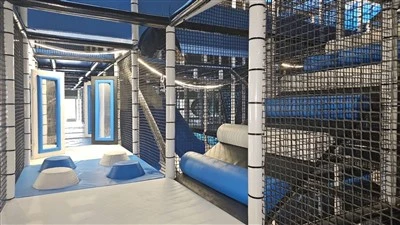
Indoor playgrounds are specially designed spaces within a building where children can engage in a variety of physical activities and play. These playgrounds provide a safe and controlled environment for children to have fun and develop various skills. Typically, indoor playgrounds consist of structures, equipment, and play areas that are specifically designed to encourage imaginative and active play.

Features of Indoor Soft Playground Equipment

Diverse Play Equipment

Indoor Soft Playground Equipment offer a variety of play structures such as slides, climbing frames, and obstacle courses. This diversity stimulates different aspects of physical and motor skill development in children.

Safety Measures

These playgrounds are designed with safety in mind, incorporating features like padded flooring, rounded edges, and age-appropriate equipment to minimize the risk of injuries during play.

Supervised Play Sessions

Some indoor playgrounds offer supervised play sessions or activities led by trained staff, ensuring a safe and structured environment for children to enjoy their playtime.

Hygiene Standards

Maintaining high cleanliness and hygiene standards is a crucial aspect of indoor playgrounds, ensuring a safe and healthy environment for children to play in.


Parts of Indoor Soft Playground Equipment

Soft Play Mats
These are the foundational elements, providing a cushioned surface for children to walk, crawl, and play on.

Ball Pits
Enclosed areas filled with soft, colorful balls, fostering sensory exploration and promoting physical activity.

Climbing Structures
Soft climbing walls, ramps, and structures that challenge children's gross motor skills while ensuring a safe play environment.

Slides
Gentle slides designed for indoor use, often integrated into the playground structure, encouraging sliding activities.

Obstacle Courses
Configurations of soft obstacles, tunnels, and bridges that promote agility, balance, and coordination among children.

Interactive Panels
Incorporating educational and interactive panels with tactile features to engage children in learning while playing.

Tunnels and Crawl Spaces
Soft tunnels and crawl spaces that provide avenues for exploration and imaginative play.

Swings and Hanging Elements
Securely suspended swings or hanging elements that add an element of dynamic movement to the playground.

Safety Netting
Enclosing the play area with soft netting to ensure children's safety and prevent any accidental falls.

Themed Play Areas
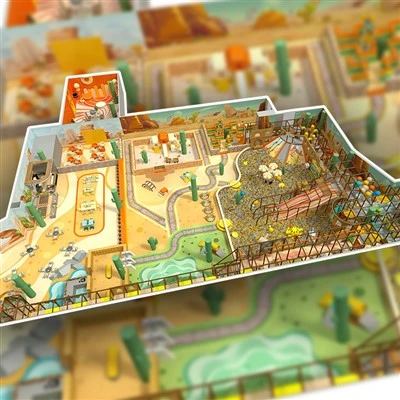
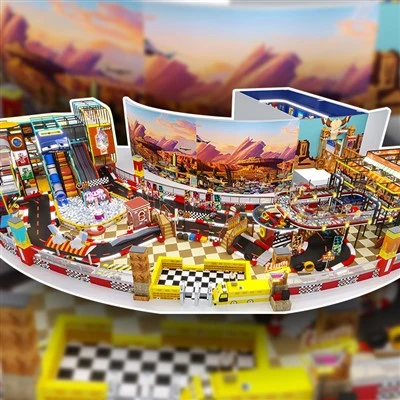
Some indoor soft playgrounds incorporate themes like jungles, space, or underwater worlds, enhancing the overall experience.

Sensory Play Stations
Stations equipped with various textures, shapes, and materials to stimulate children's senses during play.

Soft Building Blocks
Oversized, lightweight building blocks that allow children to create structures and foster creativity.


How to Choose Indoor Soft Playground Equipment


Define Your Target Audience

Consider the age group and interests of the children who will be using the playground. This will help you determine the type of equipment and activities that would engage and entertain them.

Assess Available Space

Measure the dimensions of the indoor area where you plan to install the playground. Take note of any obstacles, such as columns or low ceilings, that may impact the layout or restrict certain equipment options. Consider how many children will be using the playground simultaneously to ensure there is adequate space for everyone to play comfortably.

Identify Your Budget

Determine how much you are willing to invest in indoor soft playground equipment. This will help you narrow down your options and prioritize the features that are most important to you.

Research Safety Standards

Look for playground equipment that complies with safety standards such as ASTM, CPSC, and EN. Ensure that the equipment is made from non-toxic materials and undergoes regular maintenance to minimize the risk of accidents.

Consider Play Value and Variety


Look for a mix of activities that promote physical, cognitive, and social development. Popular options include climbing structures, slides, ball pits, obstacle courses, interactive panels, and sensory play elements. Providing a diverse range of activities will keep children engaged and entertained.

Evaluate Durability and Maintenance


Indoor soft playground equipment should be made from high-quality materials that can withstand daily use. Check for sturdy construction, reinforced seams, and reliable anchoring mechanisms. Additionally, consider the ease of cleaning and maintenance to ensure the equipment remains hygienic and in good condition.

Seek Professional Advice


Consult with manufacturers, suppliers, or professional play consultants who can provide expert advice on suitable equipment options based on your specific needs and requirements. They can help you design a customized layout that maximizes the use of available space.

Read Customer Reviews and Visit Existing Installations

Look for feedback from other customers who have purchased the equipment you are considering. This will give you valuable insights into the durability, safety, and overall satisfaction of the product. If possible, visit other indoor playgrounds to see and experience different equipment firsthand.

 
How to Maintain Indoor Soft Playground Equipment
 
01/

Regular Cleaning
Clean the equipment regularly to remove dirt, dust, and debris. Use a mild detergent or disinfectant solution to sanitize the surfaces. Pay attention to high-touch areas like handles, slides, and play structures.

02/

Inspect For Wear and Tear
Conduct routine inspections to identify any signs of damage or wear and tear. Look for loose bolts, cracks, or torn materials. Repair or replace any damaged components immediately to ensure the safety of the children.

03/

Lubricate Moving Parts
Lubricate hinges, chains, and other moving parts regularly to ensure smooth operation. This will prevent the equipment from becoming stiff or jammed, reducing the risk of accidents.

04/

Check Anchor Points
Inspect the anchor points of play structures to make sure they are secure and stable. Over time, the anchor points may loosen, so it's essential to check and tighten them as needed.

05/

Monitor Safety Padding
Soft, protective padding is crucial for indoor playgrounds. Check the padding regularly to ensure it is intact and adequately cushioning the impact zones. Replace any worn or damaged padding promptly.

06/

Train Staff and Provide Guidelines
Educate staff members on maintenance procedures and safety protocols. Ensure they are familiar with the equipment and know how to identify potential hazards. Establish guidelines for routine checks and reporting any issues.

07/

Promote Hygiene Practices
Encourage children and parents to maintain good hygiene while using the equipment. Provide hand sanitizing stations and display signs reminding individuals to wash their hands before and after play. Regularly clean and disinfect any communal areas, such as restrooms or eating spaces.

08/

Follow Manufacturer's Guidelines
Refer to the manufacturer's guidelines for specific maintenance instructions for your equipment. They may provide recommendations on cleaning agents, frequency of inspections, or additional safety measures.

How to Install Indoor Soft Playground Equipment

Prepare
Measure designated areas and ensure spaces comply with safety regulations.


Assembly
Unpack the equipment and arrange all components and follow the manufacturer's assembly instructions, using the appropriate tools and hardware provided.

Anchored

Secure the equipment to the floor or designated anchor points; alternatively, use bolts or anchors specified by the manufacturer.

Filling

Install safety mats around sharp edges or hard surfaces. Then make sure the pad is securely fastened to prevent accidents.

Test

Every component is tested to ensure stability and safety. And check for any loose fittings or potential hazards.

Final Test

Conduct a thorough inspection of the entire playground. and resolve any questions or concerns before allowing use.

Maintain

Regularly inspect and maintain equipment according to manufacturer's guidelines; promptly replace any worn or damaged parts.

Safety Guide

Prominently display safety rules to users and educate employees or supervisors on appropriate monitoring and intervention techniques.

What is Hot Swing


Hot Swing is a new type of amusement equipment that combines elements of traditional swings and hot air balloons to provide users with a unique experience. It usually consists of a large hot air balloon as the cockpit, suspended on a support. Users can sit in the cockpit and control the height and swing direction by pulling ropes or control devices. The design of Hot Swing allows passengers to enjoy the surrounding scenery in a comfortable cabin while experiencing the thrill of swinging. Thanks to the use of hot-air balloon technology, Hot Swing can also provide a hot-air balloon-like flying experience, giving users a unique flying pleasure.

Features of Hot Swing

Diverse Choices

Hot Swing comes in a variety of shapes and designs to suit visitors of all ages. Some swing in a straight line, some shake and rotate at the same time, and some allow visitors to freely choose the rotation speed. This diversity provides amusement parks with greater choice and meets the needs of different visitors.


Interactive Sharing

The Hot Swing Project is an interactive and sharing experience. Passengers swinging on the device laugh and play with each other and experience the exciting rotation and swing together. This interaction will enhance the emotional connection between visitors, provide a new social experience, and make the amusement park more interesting and attractive.

How to Maintain Hot Swing


Check the Lubrication System Regularly

Make sure the lubrication system of the hot swing is in good condition. The oil lubricant should be kept clean and replaced regularly to reduce friction and wear.

01

Check Thermal Swing Alignment and Calibration

Ensure that thermally rocked parts are well aligned and avoid misalignment or misalignment, which can cause unnecessary wear and vibration.

02

Keep Clean


Clean the heat swing and the area around it regularly to prevent the accumulation of dust and debris that can affect operation and performance.

03

Check and Replace Worn Parts


Regularly check various components of thermal swing, such as bearings, couplings, etc., and replace them promptly if wear or damage is found to avoid further damage.

04

Pay Attention to the Operation


When operating thermal swings, avoid overloading or improper use to reduce additional stress and wear on its parts and structure.

05


What is Soft Play Equipment Set

A Soft Play Equipment Set typically comprises a variety of padded and cushioned structures designed to provide a safe and engaging environment for children to play. These sets are commonly found in indoor play areas, daycare centers, and preschools.

indoor soft playgruond

Parts of Soft Play Equipment Set

Soft Mats
These form the foundation, ensuring a cushioned surface for children to crawl, jump, and play on, minimizing the risk of injuries.

Climbing Structures
Soft playsets often feature padded structures that encourage climbing, aiding in the development of motor skills and coordination.

Ball Pits
A popular inclusion, ball pits provide a sensory experience, promoting tactile exploration and imaginative play.

Slides
Soft and padded slides offer a safe way for children to experience the joy of sliding, contributing to physical development.

Obstacle Courses
Designed with various padded obstacles, these courses promote agility and problem-solving skills.

Tunnels
Soft tunnels allow children to crawl through, adding an element of exploration and adventure to the playset.

Building Blocks
Soft building blocks enhance creativity, and since they are safe to stack and knock down, they contribute to cognitive development.

Interactive Panels
Some sets include panels with textures, mirrors, and sensory elements to engage children in different ways.

Safety Features
Soft play equipment sets prioritize safety with rounded edges, non-toxic materials, and secure fastenings.

Indoor Playground Room


How to Maintain Soft Play Equipment Set

Regular Cleaning
The first type is the regular soft-play cleaning. Regular service includes washing and sanitizing all inflatable surfaces after each use. After this process is done, your kids can play without worries.Soft-play cleaning for indoor and outdoor surfaces is important to get rid of bacteria and germs that will be harmful to children playing there for hours. That’s why it is very important to have a soft-play thoroughly cleaned at least once a day.


Deep Cleaning
You need to hire a professional cleaner that knows how to clean different surfaces. Experts will clean, inspect, and sanitize every surface in your inflatable. They use special cleaners for each type of material so the treatments can deliver maximum results.

What is Drop Slide


Drop Slide is a thrilling and exciting piece of play equipment found in many amusement parks and theme parks. It is loved by young people and adventure enthusiasts for its unique design and exciting sliding experience. The appearance of Drop Slide is that of a huge landslide, which stands tall and daunting. Amusement players put on special safety equipment and stand at the starting point of the slide. When the countdown sounds, they slide down the slope. In the process of sliding downward, visitors will feel the strong acceleration of gravity, as if they are on a thrilling and fast journey.

How to Use Safely
 

Observation

Before using a slide, observe the condition of the slide and the surrounding environment. Make sure the slide is not broken, damaged, or has other potential safety hazards.


Follow the Rules

Follow the rules for using the slide. These rules are usually posted near the slides or prompted by relevant staff. Following these rules can help you use the slide safely.


Pay Attention to the Catheter

Before entering the slide, check whether there are any obstacles in the duct, such as toys, stones or other debris. Make sure the inside of the catheter is clean and free of obstructions.


Dress Appropriately

Dressing appropriately can help you use the slides more safely. Wearing flat shoes or sneakers will increase your stability on the slide.


Accompanied By a Guardian

For younger children, it is best to watch with an adult. They can provide extra protection and supervision to keep children safe.


Age-Appropriate Use

Ensure that slide users meet age-appropriate requirements. Landslides and slides usually have an applicable age range, and using them according to regulations can reduce potential safety risks.


Certificate
 

20231103091322efecd36281fc44c8922089421f5fb7b2.jpg (1000×595)

 
Frequently Asked Questions


Q: What safety measures should be in place at an indoor playground?

A: Soft Flooring:Ensure the playground has a soft and shock-absorbing surface, such as rubber mats or foam padding, to minimize the impact of falls.Age-Appropriate Equipment:Install age-appropriate play structures and equipment to minimize the risk of injuries. Separate areas for different age groups can help.

Q: Can you describe the ideal age range for children to enjoy an indoor playground?

A: Toddlers (1-3 years): Indoor playgrounds often have padded areas and soft play structures suitable for the youngest children, ensuring a safe environment for crawling, toddling, and basic motor skill development.Preschoolers (4-6 years): This age group benefits from a mix of activities that involve climbing, sliding, and imaginative play. Age-appropriate structures and games stimulate their growing creativity and social skills.School-age children (7-12 years): Indoor playgrounds may include more challenging structures, interactive games, and themed areas to engage older children. These elements contribute to the physical, cognitive, and social development of this age group.It's essential for indoor playgrounds to offer a diverse range of activities that can accommodate different age groups, ensuring an inclusive and enjoyable experience for all children.

Q: What are the common features found in a well-equipped indoor playground?

A: Climbing structures: Indoor playgrounds often have various climbing structures such as climbing walls, nets, ladders, and ropes. These help develop coordination, agility, and strength.Slides: Slides of various sizes and shapes are a popular feature in indoor playgrounds. They offer excitement and allow children to practice motor skills and balance.Ball pit: A ball pit, filled with colorful plastic balls, is a favorite among children. It provides sensory stimulation, encourages imaginative play, and promotes social interaction.

Q: How often should indoor playground equipment be inspected for maintenance?

A: Indoor playground equipment should be inspected for maintenance regularly to ensure the safety of users. The frequency of inspections depends on various factors such as the type of equipment, usage intensity, and local regulations. However, a general guideline is to conduct inspections at least monthly, with more thorough annual inspections by qualified professionals. Regular checks for wear and tear, loose parts, and potential hazards are essential to address issues promptly and maintain a safe play environment. Always adhere to manufacturer recommendations and relevant safety standards when establishing a maintenance schedule for indoor playground equipment.

Q: What role does the design and layout play in creating an engaging indoor playground experience?

A: The design and layout of an indoor playground play a crucial role in creating an engaging and enjoyable experience for users. Accessibility: The layout should be designed to provide easy access to all areas of the playground, ensuring that children of all abilities can participate and move around comfortably.Age-appropriate zones: Dividing the play area into different sections according to age groups allows for activities and equipment that are suitable for each age range, promoting age-appropriate play and ensuring the safety of younger children.

Q: Are there specific regulations or guidelines for indoor playgrounds in terms of space requirements?

A: The specific regulations or guidelines for indoor playgrounds in terms of space requirements may vary depending on the country, state, or local jurisdiction where the playground is located. The regulations are usually put in place to ensure the safety and well-being of children who will be using the facility.

Q: What types of materials are suitable for indoor playground surfaces to ensure safety?

A: When it comes to choosing materials for indoor playground surfaces, safety should be a top priority. Here are some types of materials that are commonly used to ensure safety in indoor playgrounds:Rubber mats: These are durable, non-slip, and shock-absorbent. Rubber mats provide cushioning and reduce the risk of injuries from falls. They come in various thicknesses and can be easily installed.Soft play tiles: Designed specifically for play areas, soft play tiles are made from foam or rubber and provide excellent impact absorption. They offer a soft and padded surface, making them suitable for young children.Synthetic turf: Synthetic turf can be a good option for indoor playground surfaces. It is designed to be safe and provides a cushioning effect. Look for artificial grass specifically designed for play areas to ensure it meets safety standards.

Q: How can an indoor playground cater to different age groups simultaneously?

A: An indoor playground can cater to different age groups simultaneously by incorporating various elements designed for each age group. Here are some strategies:Age Inclusive Playgrounds: These playgrounds have equipment and features for all age groups of kids — whether in two separate but nearby play structures, or in one large structure that features a variety of options.

Q: What are some popular themes for indoor playgrounds and their impact on children's experiences?

A: Popular themes for indoor playgrounds include:Pirate Ship: Kids love climbing through tunnels and jumping off the plank into a ball pit while playing pirates.Under the Sea: A few beloved Disney movies have made under the sea themes a big success.Jungle: Always a classic, the jungle themes are filled with exotic animals.

Q: How can technology be integrated into an indoor playground without compromising physical activity?

A: Interactive Floor Games:Implement interactive floor projections that encourage physical movements. Games can include activities like hopscotch, virtual soccer, or dance games to engage children in physical activity.Augmented Reality (AR) Stations:Set up AR stations that blend digital elements with the physical environment. This can include interactive storytelling, treasure hunts, or educational games that require physical exploration.

Q: What are the benefits of incorporating educational elements into an indoor playground?

A: Incorporating educational elements into an indoor playground can offer several benefits to children. Some of these advantages include:Learning through play: Educational elements in an indoor playground provide children with an opportunity to learn and acquire knowledge while having fun. Play becomes a means of active engagement with educational concepts, promoting cognitive and physical development.Enhanced cognitive skills: Educational elements can stimulate problem-solving, critical thinking, and decision-making skills. They encourage children to explore, analyze, and make connections between ideas, fostering cognitive development.

Q: How do indoor playgrounds contribute to the development of social skills in children?

A: Indoor playgrounds play a crucial role in fostering the development of social skills in children through various interactive and collaborative activities. Here's how:Shared Play Spaces: Indoor playgrounds provide shared spaces where children can engage in cooperative play. This setting encourages them to interact with peers, negotiate play scenarios, and share toys and equipment, promoting the development of social skills.Teamwork and Collaboration: Many indoor playground activities involve teamwork and collaboration, such as climbing structures, group games, and interactive exhibits. These activities require children to work together, communicate effectively, and coordinate their efforts, enhancing their ability to collaborate with others.

Q: What measures can be taken to make indoor playgrounds more inclusive for children with disabilities?

A: To make indoor playgrounds more inclusive for children with disabilities, the following measures can be taken:Accessibility: Ensure that the playground is accessible to children with different types of disabilities. This includes providing ramps, wide pathways, and elevators for children with mobility impairments, as well as sensory pathways and quiet rooms for children with sensory sensitivities.Inclusive equipment: Install inclusive playground equipment that can be used by children of varying abilities. Incorporate features such as wheelchair-accessible swings, inclusive slides with multiple access points, and interactive sensory panels at different heights.

Q: How do indoor playgrounds adapt to changing seasons or weather conditions?

A: Indoor playgrounds employ various strategies to adapt to changing seasons or weather conditions:Climate Control Systems:Heating and Cooling: Indoor playgrounds are equipped with heating systems for colder seasons and cooling systems for hotter weather, ensuring a comfortable environment year-round.Versatile Play Equipment:All-Weather Play Structures: Play equipment is often designed to be suitable for various weather conditions. Materials that can withstand temperature fluctuations are used to ensure durability.

Q: What role do trained staff members play in ensuring a safe and enjoyable environment in an indoor playground?

A: Trained staff members play a crucial role in ensuring a safe and enjoyable environment in an indoor playground. Their presence helps to maintain a high level of supervision and enforce safety guidelines to prevent accidents and injuries. Supervision: Staff members continuously monitor the play areas, keeping a watchful eye on children to prevent potential accidents and address any unsafe behavior. Their presence deters rough play or misconduct that may compromise the safety of other children.

Q: What are some innovative features that set apart exceptional indoor playgrounds from others?

A: Exceptional indoor playgrounds often incorporate innovative features that go beyond the standard play equipment. Some of these features include:Interactive Technology: Implementing interactive technology, such as projection mapping or virtual reality, creates captivating experiences for children. This can include floor projections that respond to movement or interactive walls featuring games and engaging visuals.

Q: How can parents actively participate in their children's playtime at indoor playgrounds?

A: Parents can actively participate in their children's playtime at indoor playgrounds by following these strategies:Engage in Interactive Play:Join your child in their activities, whether it's climbing, sliding, or playing with toys. Actively participate to enhance their experience.

Q: What are the most common challenges faced by indoor playground operators, and how can they be addressed?

A: Operating an indoor playground can come with its own set of challenges. Some common challenges faced by indoor playground operators include:Safety regulations and inspections: Indoor playgrounds must adhere to strict safety regulations and undergo regular inspections to ensure the well-being of children. Operators may face challenges in staying compliant with these regulations. Regular staff training, implementing safety protocols, and staying updated on the latest regulations can help address this challenge.Maintenance and cleanliness: Indoor playgrounds require regular maintenance and cleaning to ensure a clean and safe environment. The challenge lies in managing the wear and tear of equipment, ensuring cleanliness, and addressing any repairs promptly. Operators can address this challenge by creating a maintenance schedule, hiring dedicated staff, and conducting regular inspections.

Q: How does the location of an indoor playground impact its popularity and success?

A: The location of an indoor playground significantly influences its popularity and success. Several factors contribute to this impact:Accessibility: A convenient and easily accessible location attracts more visitors. Proximity to residential areas, public transportation, and parking facilities enhances accessibility, making it more likely for families to choose the indoor playground.Demographics: Understanding the local demographics is crucial. A location with a higher population of families with young children increases the potential customer base. Tailoring the indoor playground to meet the preferences of the local community can enhance its popularity.

Q: Are there specific trends or advancements in indoor playground design and equipment that have gained popularity recently?

A: Yes, there are several trends and advancements in indoor playground design and equipment that have gained popularity in recent years. Some of these include:Themed Playgrounds: Indoor playgrounds are increasingly being designed with specific themes such as jungles, castles, space, or underwater worlds. These themed environments create an immersive play experience for children and allow them to engage in imaginative play.


As one of the leading indoor playground manufacturers and suppliers in China, we warmly welcome you to buy high quality indoor playground from our factory. Contcat us for custom service.

indoor play dolls, indoor play baby toys, indoor play new year supplies